GAME DEVELOPMENT
Bigger Worlds, Same Team
Game worlds keep getting bigger, but teams don’t have to. Whether you are creating real-world terrain and living forests or characters and assets optimized for every console, Houdini gives game teams one procedural toolset across the pipeline. Technical artists build the tools, automation handles the repetitive work, and artists stay focused on creating, update after update.
“Houdini has a reputation of being scary, especially to artists, but it doesn’t have to be. Now all the artists are working in Houdini.”
Erik Östsjö, Technical Artist, Embark Studios,

2026 Film, TV and Games Reel

ARC RAIDERS
Embark Studios
Terrain & Landscapes
Real-World Terrain,
Ready for Gameplay
Players expect worlds that feel real, and live games need them reshaped fast for every new update. Houdini turns real-world lidar into terrain artists can drag, reshape and tune for gameplay, then pushes it into the engine with colours, masks and LODs already built.
- Convert raw lidar into reusable heightfields automatically with PDG.
- Reshape real terrain with 3D handles to fit gameplay.
- Generate terrain colour, erosion and flow masks procedurally.
- Build cliffs, collision and landscape LODs in Unreal with Houdini Engine.
“We can reshape several square kilometres with highly
realistic data and have that in game within 30 minutes.”
Darko Pracic, Environment Art Lead, Embark Studios
Level Design
Change the Layout,
Keep the World
With Houdini, designers sketch layouts with splines while procedural tools rebuild the world around every change, keeping it believable no matter how often the terrain moves.
- Lay out roads, rivers, fences and power lines as splines.
- Repopulate vegetation automatically whenever the terrain changes.
- Chain tools so trees clear themselves from roads and power lines.
- Rebuild the whole world overnight with seamless, repeatable results.
“Managing the performance for the game was a breeze. We just had to move a slider, save the HDA, and the next morning everything would be updated.”
Étienne Carrier, Technical Artist, Ubisoft Montreal

FAR CRY 5
Ubisoft Montreal

ARC RAIDERS & THE FINALS
Embark Studios
Character Asset Pipeline
Procedural Characters,
Artists in Control
Live-service games need a constant stream of characters and outfits, each fitted to multiple body types and updated season after season. Houdini puts the whole character pipeline in one procedural network, with Solaris and USD at its core, so tools handle the repetitive work and artists focus on the craft.
- Swap placeholders for final meshes without breaking anything downstream.
- Automate UVs, baking and skinning with PDG, recooking only what changed.
- Refit every outfit to new body types in one batch run.
- Keep ZBrush, Marvelous, Blender, Substance and Maya in sync through USD.
“We want tools and processes to handle the boring and tedious work for us, getting us 90% of the end result, and have the artist come in and do artist things.”
Björn Arvidsson, Senior Character Artist, Embark Studios
Game Art Optimization
Every Asset Ready for
Every Platform
Shipping on every platform at once means each asset needs a high-fidelity version for current hardware and a lean one for handhelds, without slowing artists down. Houdini runs optimization behind the scenes, turning every asset into platform-ready meshes, LODs and textures automatically so artists can focus on building.
- Generate Nanite and lean handheld meshes from one source.
- Strip hidden geometry to halve triangle counts with no visible change.
- Build full LOD chains that keep UV and vertex data intact.
- Optimize every asset automatically when it’s imported into Unreal.
“Each asset has been optimized by default,
so an artist wouldn’t simply break our Switch build.”
Simon Verstraete, Senior Technical Artist, Studio Gobo

LEGO HORIZON ADVENTURES
Studio Gobo

GHOST RECON WILDLANDS
Ubisoft Paris
Tool Building & Automation
Build the Tools
Every Artist Needs
Open-world games need huge amounts of content, and the teams that iterate fastest ship the best results. Technical artists use Houdini to build custom tools for everyone on the team, wrapping complex procedural systems behind simple inputs so artists spend their time creating rather than on repetitive tasks.
- Wrap complex systems in Digital Assets with a few simple controls.
- Cover terrain, roads, rivers, vegetation and villages with one toolbox.
- Send heavy processing to the farm and get results back in minutes.
- Rerun tools when designs change instead of rebuilding by hand.
“You won’t have to think about how you’re going to
create something, just what you want to create.”
Benoit Martinez, Lead Environment Artists, Ubisoft Paris
MetaHuman Rigging & Animation
Bring MetaHumans to Life, Faster
High-fidelity characters need rigs, motion capture, physics and skin detail that work together, and rebuilding those setups for every character eats into production time. With MetaHuman for Houdini, teams bring characters straight in and build rigging, ragdolls, muscles and wrinkles once, then reuse them on every MetaHuman they create.
- Import MetaHuman body, face and LODs in one step.
- Extend rigs with APEX Autorig Builder and custom controls.
- Apply body and facial capture straight onto the rig with KineFX.
- Add ragdolls, muscles and wrinkles that work on every MetaHuman.
“Once we’d done it, that was the only time we’d ever have to do it,
because it’s so standardized.”
Sam Taylor, Head of Innovation and Development, Real Time

PROJECT VIOLET
Real Time
PRODUCTION PROJECTS
See How It’s Made, Then Make It Yours
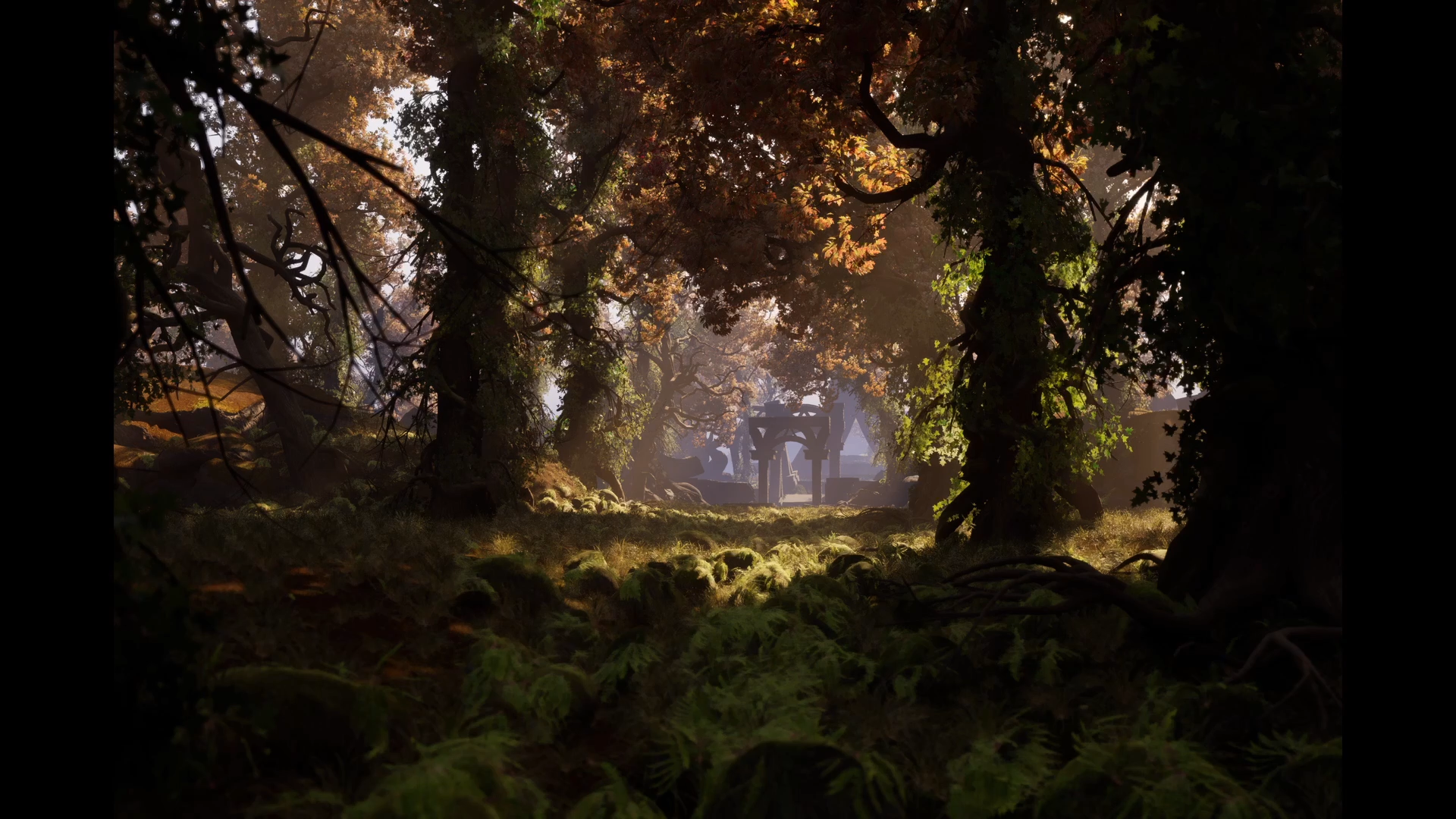
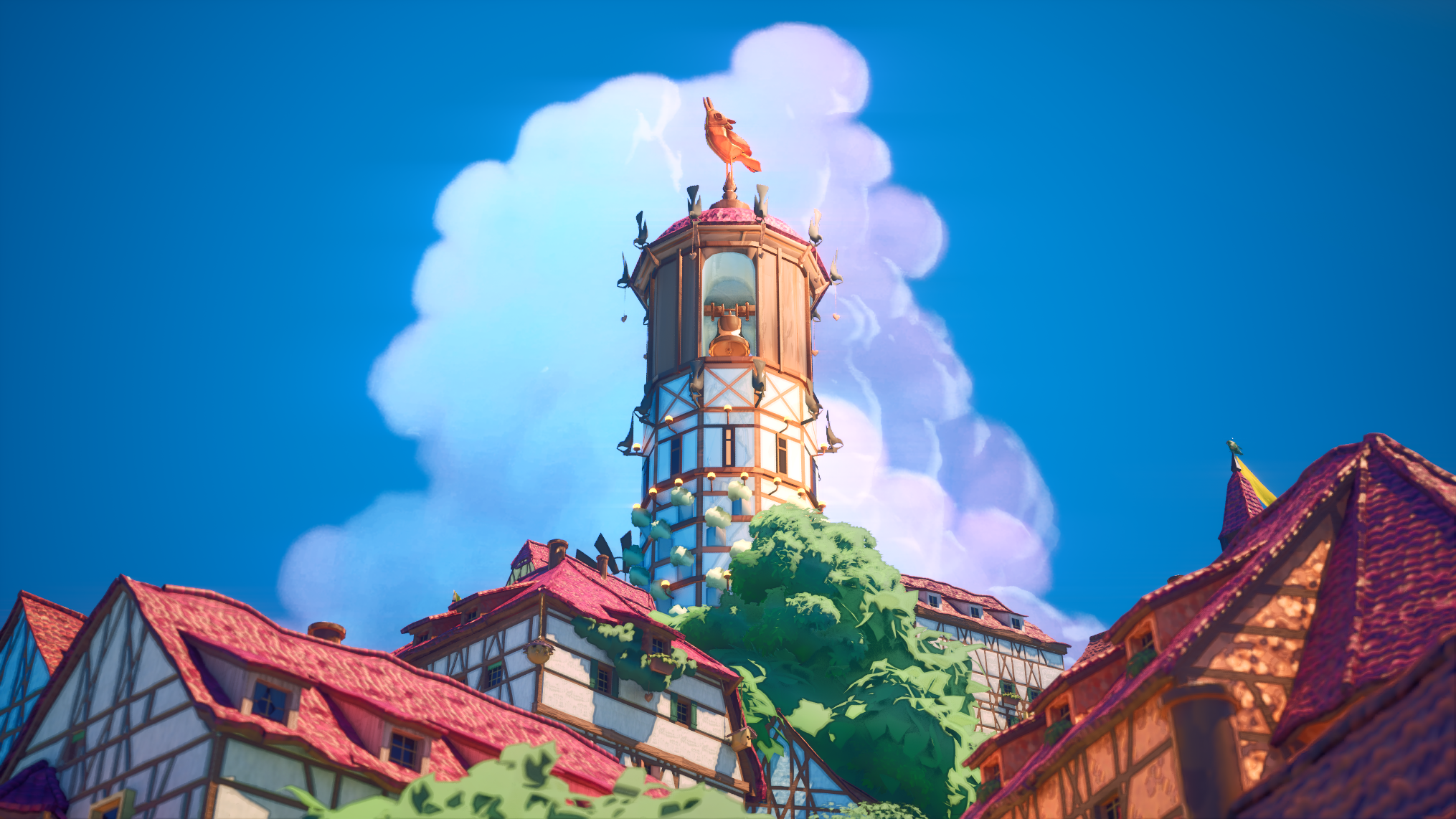
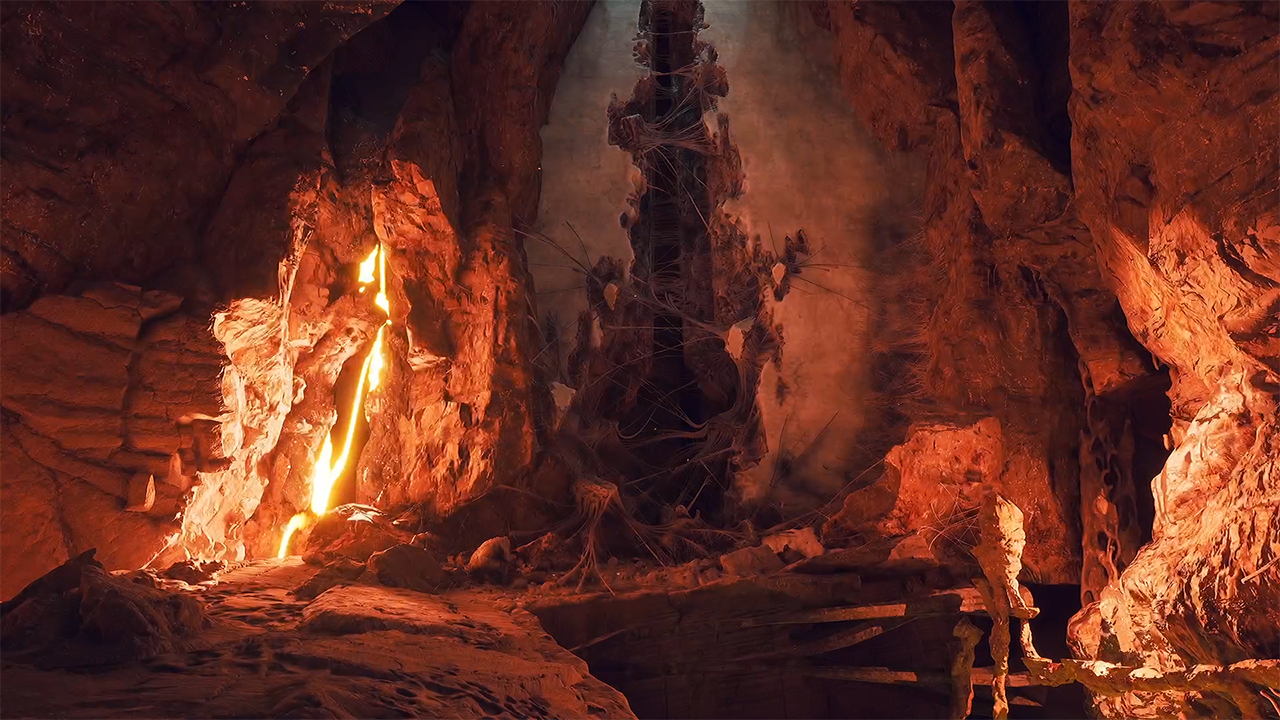
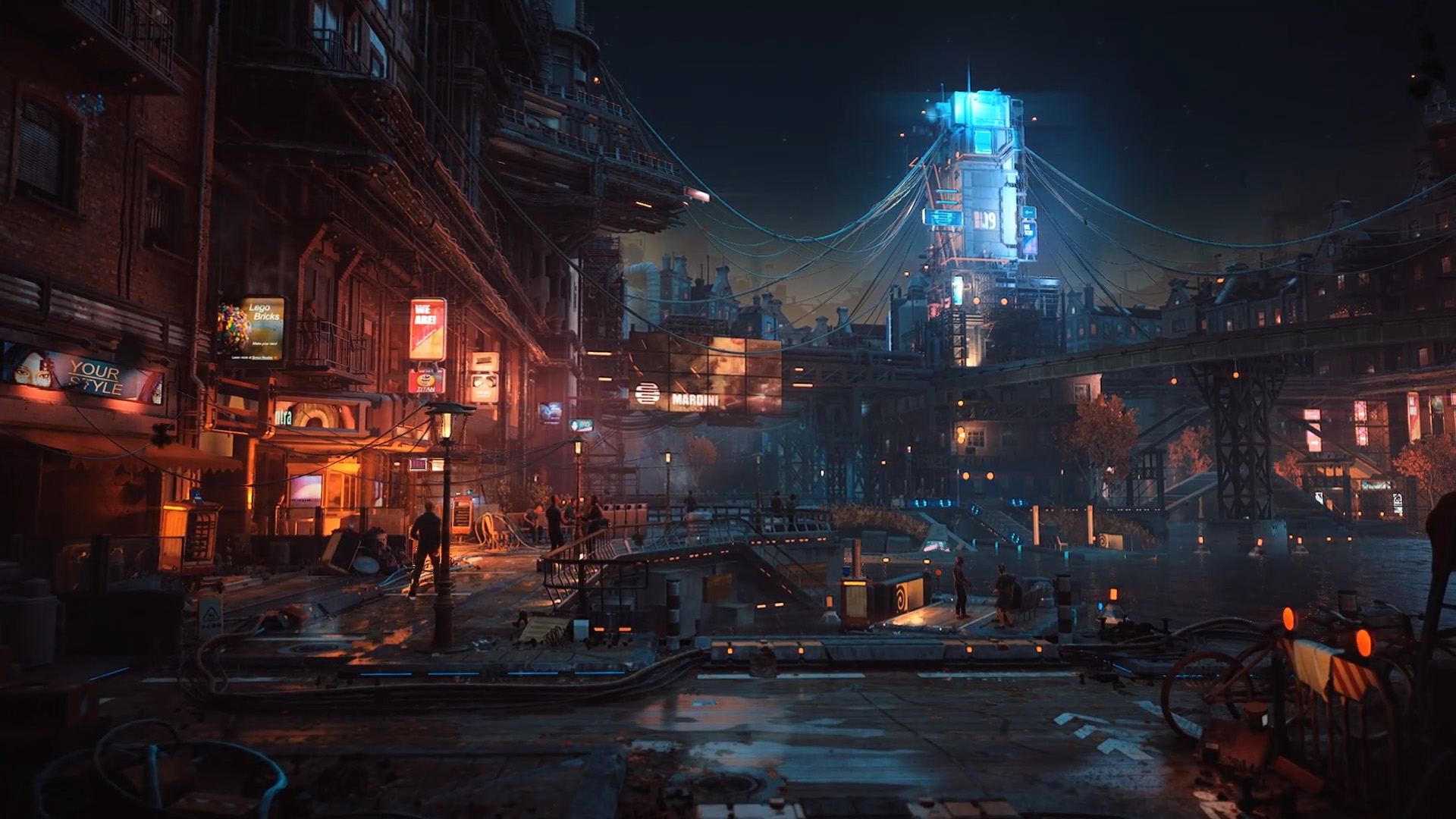
These tech demos show Houdini and Unreal working together in real game environments. Built with industry artists using production best practices, each one comes with tools, files and tutorials you can apply to your own projects.


Results in Game Development
Embark Studios
“Reshapes several square kilometres of real-world terrain for ARC Raiders and has it in-game within 30 minutes.”
Ubisoft Montreal
Generated over 600,000 entities per square kilometre across about 70 maps for Far Cry 5, with the whole world rebuilt every night.
Studio Gobo
Launched LEGO Horizon Adventures on PlayStation 5, Switch and PC on day one, with nearly every asset optimized in Houdini.
Embark Studios
Shipped THE FINALS and ARC Raiders on one Houdini character pipeline, with only a few project-specific nodes.
Ubisoft Paris
Built more than 600 km of roads across Ghost Recon Wildlands with a single Houdini road tool.
SELECTED CUSTOMERS & PARTNERS