| On this page |
Node Syncは、Session Syncの使用時、UnrealとHoudini Session Sync間のアセット共有を可能にする、Houdini Engine for Unrealプラグインの機能です。
専用のHDAを使用することなく、Unrealにデータを送信したり、Unrealからデータを受信することができます。 Node Syncでは、HDA入力でサポートされるあらゆるタイプのアセットをHoudiniに送信したり、プラグインで出力可能なあらゆるタイプのアセットを取得することができます。
SessionSyncを使用してHoudiniを起動する 
Unrealから、Session Syncを使用して新しいHoudiniのインスタンスを起動することができます。
Unrealのメインツールバーで、 Houdini Engine をクリックしてから Open Houdini Session Sync を選択します。

新しいHoudiniアプリケーションが開きます。
Note
Houdini Engine メニューのオプションを使用して、Houdiniセッションを開始、停止、再起動することができます。
SessionSyncの使用の詳細については、そのドキュメントページを参照してください。
Houdini Node Syncタブ 
Houdini Node Syncタブでは、Houdiniにデータを送信したり、Houdiniからデータを取得する際の様々なオプションを制御することができます。
Houdini Node Sync タブを開くには:
-
Unrealのメインツールバーで、 Houdini Engine メニューを選択します。
-
Houdini Node Sync を選択します。
タブがビューポートの左側、 Place Actors タブの隣に開きます。

Houdini Engineセッション のステータスが表示され、タブはFETCH from HoudiniとSEND to Houdiniという2つのセクションに分かれています。
Fetch from Houdini 
Fetch from Houdini ツールを使用すると、HoudiniのSOP、OBJ、COP2、Copernicus(COP)ノードの出力をUnrealに送信できます。
それには Houdini Node Sync タブからアクセスできます:
-
Unrealのメインツールバーで、 Houdini Engine メニューを選択してから Houdini Node Sync を選択します。

設定 |
説明 |
|---|---|
Houdini Node Paths to Fetch |
取得したいHoudiniノードのパス。 コピー&ペーストまたはブラウズボタンを使用してノードを指定します。 詳細は、ノードブラウザを使用してノードを選択するを参照してください。 |
Use Output Nodes |
オンの時、ノードのデータを取得する際にディスプレイフラグよりも出力ノードを優先します。 |
Replace Existing Assets/Actors |
オンの時、既存のアセットまたはアクターが新しく取得したデータで上書きされます。 |
Unreal Asset Name |
Unrealで取得されるデータの名前。 空っぽの場合、ノードの名前がUnrealアセット名に使用されます。 |
Unreal Asset Import Folder |
Unrealで生成されたアセットを格納するプロジェクトフォルダのパス。 |
Fetch to World Outliner |
オンの時、Houdiniから取得されたデータが現行レベル内でActorとしてインスタンス化されます。 |
設定 |
説明 |
|---|---|
Auto Bake |
オンの時、ワールドへ取得された出力データが自動的にベイクされます。 オフの時、それらのデータは一時的なクック済みデータとして作成され、Houdini Node Syncコンポーネントに追加されます。 |
Unreal Actor Name |
Unrealで生成されるActorの名前。 |
World Outliner Folder |
生成されたActorを格納するワールドアウトライナフォルダのパス。 |
ノードブラウザを使用してノードを選択する 
データの取得先のHoudiniノードを選択するには、ノードブラウザを使用するか、または、手動でノードパスを入力します。
ノードブラウザを使用する場合:
-
Node Sync Panelで、 Houdini Node Paths to Fetch の隣りにある … ボタンをクリックしてNode Browserダイアログを開きます。
-
ノードの隣にあるトグルをオンにして、そのノードを選択としてマークします。複数のノードを選択することで、それらのノードを同時に取得することができます。
-
選択したら、 OK をクリックしてNode Browserダイアログを閉じます。これで、 Houdini Node Paths to Fetch テキストフィールドが選択したノードに更新されます。
手動でノードを選択する 
手動でノードを選択するには、それらのノードパスをコピーします:
-
Houdiniで、エクスポートしたい出力ノードを選択します。
-
⌃ Ctrl + Cでそのノードパスをコピーします。
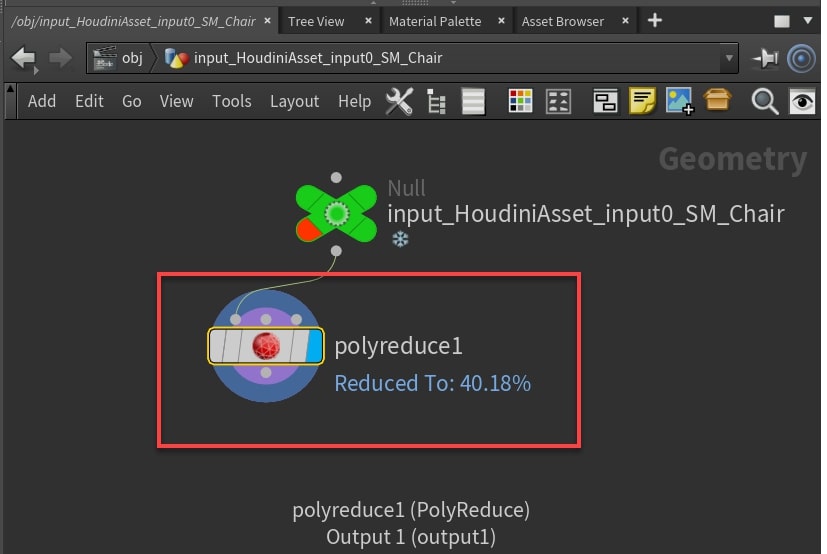
-
Houdini Node Path to Fetch テキストフィールドに⌃ Ctrl + Vでそのノードパスをペーストします。 または、手動でそのノードパスを入力しても構いません。
-
;を区切り文字として使用することで、複数のノードパスを入力することができます。
Fetchオプション 
取得したいノードを選択した後:
-
Unreal Asset Name テキストフィールドを使用して、その取得結果に付けたい名前を設定します。存在しないパスを使用した場合、新しいフォルダが作成されます。
-
Fetch ボタンをクリックします。すると、コンテンツブラウザ内のその付けた名前のフォルダ下にアセットが出現するはずです。

デフォルトでは、データはノードの出力を使用して取得されます。 Node Syncタブの Use Output Nodes オプションを無効にした場合、表示ジオメトリが代わりに使用されます。
出力データはデフォルトで追加的に作成されます。代わりに以前の取得結果を上書きしたいのであれば、 Replace Existing Assets/Actors オプションを有効にします。

取得したデータを現行レベル内に自動的にインスタンス化したいのであれば、 Fetch to World Outliner オプションをオンにします。
Fetch to World をオンにして、 Fetch ボタンをクリックすると、レベル内にNode Syncコンポーネントを持った新しいHoudiniアセットアクター(取得したノード毎に1体のアクター)が作成されます。
Node SyncコンポーネントのLive Syncプロパティはデフォルトでオンになっています。
つまり、Houdiniで呼応するノードに変更があると、Unrealでも自動的にそれが更新されます。
Live Sync がオフの場合、Node Syncコンポーネントの出力は、 Fetch ボタンをクリックすることで手動で更新することができます。
Auto Bake オプションをオンにすると、データ取得時にネイティブのUnrealアクター/コンポーネントが作成されます。
デフォルトでは、作成されるアクターには取得したノードの名前が使用されますが、 Unreal Actor Name を使用して名前を指定することができます。
World Outliner Folder の値を変更することで、取得したアクターのデフォルトのWorld Outlinerフォルダを選択することもできます。
Send to Houdini 
Send to Houdiniを使用すると、アセットをUnrealからHoudiniに送信できます。
-
コンテンツブラウザ で、送信するアセットを選択します。
-
右クリックして Send to Houdini を選択します。

-
Houdiniで、アセットが表示されるはずです。
一度に複数のアセットを選択し、Houdiniに送信することも可能です。

World Outlinerを使用して、アクターを選択し、Houdiniに送信することもできます。
Note
Send to Houdini は、有効なHoudini Engineセッションが作成されている場合にのみ利用可能です。
Node Syncタブを使用してHoudiniにデータを送信する 
Houdiniにどのようにデータを送信するかを制御するには、 Houdini Node Sync タブを開きます:
-
Unrealのメインツールバーで、 Houdini Engine メニューをクリックしてから Houdini Node Sync を選択します。

設定 |
説明 |
|---|---|
Keep World Transform |
Houdiniでのジオメトリのトランスフォームの使用方法を制御します。 オンの時、HoudiniではUnreal Transformが使用されます。 オフの時、HoudiniではUnreal Transformが無視され、ジオメトリが原点にあるものとして扱われます。 |
Pack Geometry before merging |
オンの時、入力オブジェクト毎に個別のパックプリミティブが作成されます。 オフの時、すべての入力オブジェクトが単一ジオメトリにマージされます。 |
Export Input as References |
オンの時、入力オブジェクトのフルジオメトリがHoudiniにエクスポートされません。
代わりに、 |
Export LODs |
アセット内で見つかったすべてのLODメッシュをHoudiniにエクスポートします。 各LODメッシュが別々のグループで利用可能になります。 詳細は、Level of Detailsを参照してください。 |
Export Sockets |
アセット内で見つかったすべてのメッシュソケットをHoudiniにエクスポートします。 詳細は、メッシュソケットを参照してください。 |
Export Colliders |
アセット内で見つかったすべてのシンプルコライダーを、それに呼応する |
Export Material Paramaters |
アセットのマテリアル内で見つかったすべてのマテリアルパラメータをアトリビュートとしてエクスポートします。 このオプションは、たくさんの公開パラメータを持った複数のマテリアルが割り当てられている大規模メッシュで処理負荷が高くなる可能性があります。 |
Merge Spline Mesh Components |
オンの時、入力内のスプラインメッシュコンポーネントが単一スタティックメッシュにマージされます。 |
Prefer Nanite Fallback Mesh |
オンの時、入力アセットに対して、Naniteフルジオメトリの代わりにNaniteフォールバックメッシュが使用されます。 |
Directly Connect HDAs in Houdini |
オンの時、選択されたHoudini Asset ActorsがHoudini内でこのHDAに直接接続されます。 オフの時、Houdini ActorのUnreal出力がHoudiniに送信されます。 |
Use Legacy Input Curves |
オンの時、プラグインはスプライン入力に対して自動でcurve::1.0ノードを作成します。 これは、そのcurveノードに依存した古いHDAとの下位互換を維持するのに役立ちます。 |
Unreal Spline Resolution |
Unrealスプラインのリサンプリングに使用されるサンプル長を制御します。
デフォルト値の |
設定 |
説明 |
|---|---|
Export Individual Paint Layers |
オンの時、Paint LayerがEdit Layer毎に個別にエクスポートされます。 これは、レイヤの数が多い大規模なランドスケープの場合に処理が遅くなります。 |
Export Selected Landscape Components Only |
オンの時、選択したランドスケープコンポーネントのみがエクスポートされます。 |
Export Landscape as |
Unrealでのランドスケープのエクスポート形式(Height Field、メッシュ、ポイントクラウド)を指定します。 |
設定 |
説明 |
|---|---|
Export Landscape Spline Control Points |
オンの時、ランドスケープスプラインの制御点がHoudini内にポイントクラウドとしてエクスポートされます。 |
Export Landscape Spline Left / Right Curves |
オンの時、ランドスケープスプラインの左カーブと右カーブがHoudiniにエクスポートされます。 |
Export Spline Mesh Components |
オンの時、ランドスケープスプラインのメッシュコンポーネントもHoudiniにエクスポートされます。 |
Auto Select Landscape Spline For Export |
オンの時、入力で選択されたランドスケープのランドスケープスプラインが自動でHoudiniにエクスポートされます。 |
Send |
アセットをHoudiniに送信します。 |
Houdini Node Path To Send To セクションを変更することで、送信データが格納されるノードを選択できます。 /obj/SentFromUnreal など、有効なHoudiniの送信先を指定しないと、送信アクションは失敗します。
Houdini Node Sync タブでは、Houdiniにデータを送信する際に使用する様々な Export Options も制御することができます。 これらのオプションの詳細は、入力を参照してください。
Sync World Inputs オプションがオンの場合、送信されたアクターにUnreal内で変更を加えると、自動的にそれがHoudiniに反映されます。
Houdiniに送信されたアクターは、 Sent Data リストビューにリストされ、 update all ボタンや delete all ボタンをクリックして、それぞれ手動で更新や削除をすることができます。
Node Syncでは、以下のタイプのオブジェクトをHoudiniに送信することができます:
-
スタティックメッシュ
-
Static Meshコンポーネント
-
インスタンス化されたStatic Meshコンポーネント
-
スケルタルメッシュ
-
Skeletal Meshコンポーネント
-
BSPブラシ
-
ジオメトリコレクション
-
Geometry Collectionコンポーネント
-
Unreal Splineコンポーネント
-
ランドスケープ
-
ランドスケープスプライン
-
Spline Meshコンポーネント
-
フォリッジ
-
データテーブル
-
アクター
-
ブループリント
-
Houdini Asset Actor
-
レベルインスタンス
-
Packed Levelアクター
-
アニメーション
-
テクスチャ