The way this Solaris do is amazing and smart.
Karma is a great improvement for FX works, love it so much.
However openUSD translate is what pulls back productivity. Double the cache process into two real from Houdini then to openUSD if do want to see things in animation. The poor performance of the viewport; Scene Graph keeps refreshing according to any changes on prim path on the node is a backward user experience.
Display multiple million fragments in Houdini viewport is quite normal, however in Solaris even use the view port loadMask, plus payload -> the process to translate USD, and refresh Scene Graph keep haunting any workflow for FX.
Scatter millions of different tree models is good, however for FX like RBD to reveal millions of unique name pieces, 10 millions of debris -> the open USD translate process keeps productivity down, even the amount of stress a person who uses Solaris has to calm.
about the hi-poly tree scatter -> for more than 15 years ago until now I did a lot in architectural animation + commercial production easily without any of `reference` concept; just with ancient V-Ray proxies, XREF scene in 3DS Max,...)
If Solaris can have another stage of the process for users to choose between migrating to openUSD or just using what Houdini usually do with FX, that would be great, improves productivity a lot with new amazing technologies and good production application.
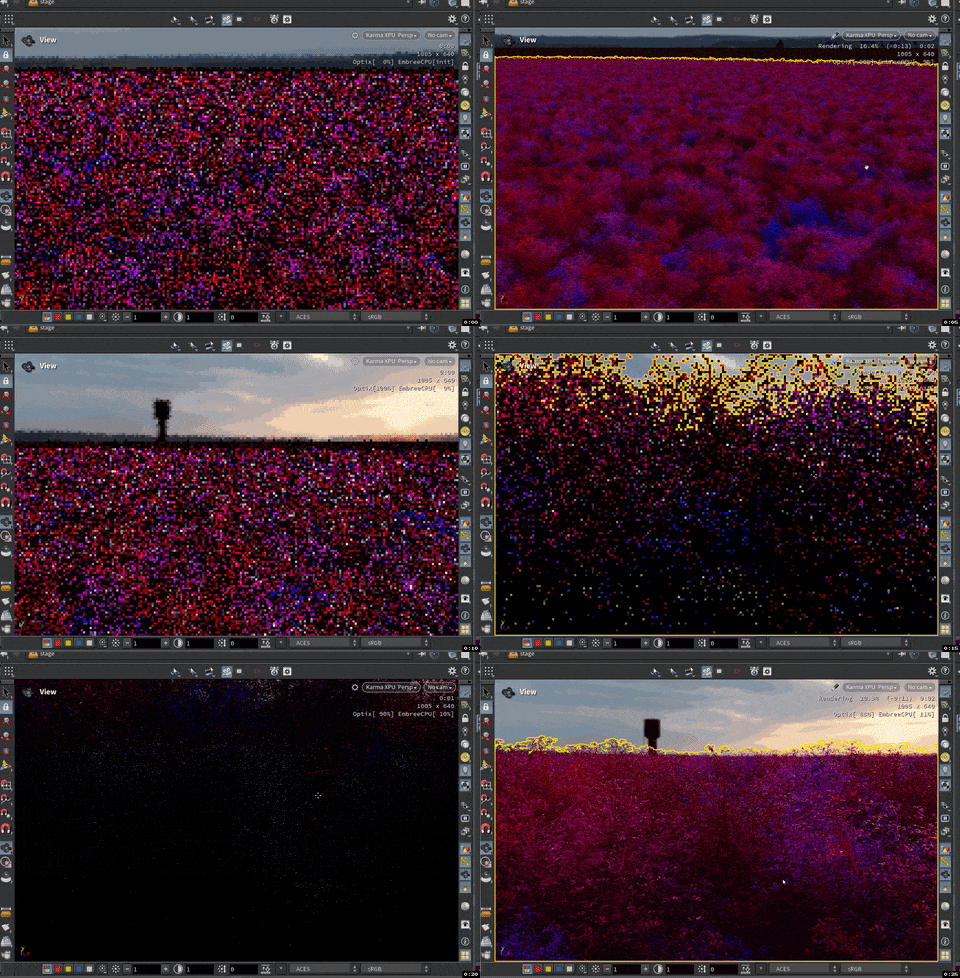
P/s Image attach to share per click on node instance points, only 30,000 points. The time it took that not included the init time of Solaris for the process and the ending of that process